Women-Focused Addiction Treatment Programs in San Antonio
San Antonio is a city that understands family ties, military solution, and the pull of area loyalties. Those staminas can be lifelines in recovery. They can likewise make it tough to look for aid when addiction silently rewires life. Women-focused addiction treatment programs rest at the factor where those facts satisfy scientific care. They reply to needs that commonly go unspoken in mixed-gender setups, from safety and security preparation and parenting tension to hormone changes, pregnancy treatment, and the lengthy tail of trauma.
I have actually walked households via waiting lists, sat with females while they selected in between making rental fee and filling a prescription, and assisted work with care around custody hearings in Bexar Region. The patterns repeat frequently enough to educate humbleness. Efficient addiction treatment in San Antonio should be functional and trauma-informed. It must honor society, shield dignity, and reach beyond clinic walls.
Why gender-responsive treatment matters
Addiction hardly ever takes a trip alone. Amongst the women I have sustained, a big share brought backgrounds of intimate companion violence, childhood abuse, or sexual assault. Prices vary by research study and setup, however medical professionals anticipate trauma direct exposure to be usual, not unusual. In a combined group, those tales can be tough to share. The body bears in mind, and it can close down when a space really feels dangerous. Women-only teams minimize some of that threat. The tone and speed of conversation change. Individuals breathe easier. Disclosure comes to be an option instead of a test of nerve.
Medical demands vary too. Females metabolize certain materials in different ways, might advance from very first use to dependence extra swiftly, and typically present with co-occurring problems like anxiety conditions, depression, PTSD, thyroid issues, or iron shortage that complicate withdrawal and very early recovery. Reproductive health and wellness adds layers. Contraception, menstrual cycles, perinatal treatment, and bone health and wellness all intersect with compound use and medications.
Then there is the caregiving fact. In San Antonio, lots of ladies that look for help are key caretakers for children or aging loved ones. Pause work is not easy, and setting up child care for therapy hours can seem like a luxury. Programs that weave in on-site childcare, flexible organizing, and situation management for benefits make presence practical, not just aspirational.
The local context in San Antonio
People concerned care southern Side, the Far West Side, the Northeast hallway, the Hill Country fringe. A surprising number are linked to Joint Base San Antonio via solution, noncombatant employment, or household. Spanish is spoken in homes across the city, and belief neighborhoods are a frequent touchpoint when somebody ultimately claims, I require help.
Addiction treatment in San Antonio runs across a mosaic of suppliers. You see hospital-based detoxification units, nonprofit outpatient clinics, Government Qualified Health Centers with behavioral groups, household programs secured in older neighborhoods, and private methods that keep tiny women-focused tracks. Some organizations collaborate carefully with the courts and Child Protective Services. Others line up with regional shelters or residential physical violence agencies to safeguard clients who need to move quickly.
Texas plan forms access. State and government bucks sustain medication for opioid usage problem, early intervention for expectant women, and particular recovery assistance solutions. Qualification can rest on earnings, legal condition, pregnancy, or parenting. Insurance policy runs the gamut, from Medicaid and CHIP to TRICARE, company plans, and exchange items. An excellent program keeps an advantages specialist in the loop since protection concerns can torpedo momentum faster than cravings.
What makes a program really women-focused
At their ideal, women-focused services are not a pink ribbon on a basic curriculum. They are constructed around unique medical, security, and logistical needs. Several components consistently predict far better engagement and outcomes.
Trauma-informed environment. Personnel are educated to recognize injury feedbacks and prevent re-traumatization. That turns up in just how teams are helped with, just how problem is taken care of, and exactly how personal privacy is secured. Consumption inquires about safety at home, not as a checkbox, yet as an opening for planning.
Co-occurring psychological health care. Many females arrive with layered medical diagnoses. A program needs to provide psychiatric examination, medicine monitoring for depression, anxiousness, or bipolar affective disorder, and treatments with a strong evidence base for PTSD like EMDR or cognitive processing treatment. When those services are not on site, warm handoffs to trusted partners matter.
Medication for addiction treatment. Opioid use condition calls for buprenorphine or methadone in line with clinical need. Alcohol usage problem might gain from naltrexone, acamprosate, or disulfiram. Stimulant use disorder has no FDA-approved medicine, but structured backup administration and cognitive behavior modification help. Women-focused tracks take note of drug-drug interactions with birth controls or antidepressants and adjust dosing during perinatal periods.
Perinatal and parenting support. Pregnant and postpartum females need close coordination between OB, addiction medicine, and pediatric treatment. Neonatal teams must be knotted in early when opioid direct exposure is feasible to prepare for nonjudgmental care of the baby. Parenting classes, secure sleep education, and lactation assistance lower pity and improve bonding. If CPS is entailed, useful paperwork and considerate case conferencing can change the tone of the process.
Integrated situation management. Transportation, childcare, housing, grocery stores, and lawful stress consume at treatment transmission capacity. Situation managers that understand Bexar Area systems can redeem hours each week by lining up bus passes, WIC registration, recuperation real estate choices, and court letters that in fact help.
Peer support. Females that have strolled the course bring an authority that a certificate can not give. They help decode program policies, version borders in relationships, and show what a relapse prevention strategy resembles in a kitchen area at 9 p.m. With a crying toddler.
Cultural and language gain access to. San Antonio's Latina communities, armed forces households, and faith customs influence just how people make decisions. Programs need to supply services in Spanish when required, comprehend military culture sufficient to browse command disclosures and TRICARE referrals, and preserve respectful relationships with local parishes without proselytizing.
Levels of care and exactly how to match them
Detox and withdrawal administration. Not everybody needs it, however alcohol, benzodiazepine, and hefty opioid usage can need clinical guidance. For benzodiazepines, tapering is typically much safer than abrupt cessation, and females with panic attack may require careful cross-titration with non-addictive representatives. With fentanyl usual in the local supply, buprenorphine induction often take advantage of micro-dosing methods to reduce precipitated withdrawal.
Residential therapy. An organized, live-in setup can stabilize regimens and get rid of daily triggers. Women-focused residential options in and around San Antonio differ in length, usually from 14 to 90 days. The programs that obtain grip incorporate parenting brows through, lawful consultation holiday accommodations, and MAT gain access to. Safety and security preparation remains critical for those leaving fierce situations.
Partial a hospital stay and intensive outpatient. Many mothers can not tip far from home for weeks. Intensive outpatient programs, 3 to five days a week for a number of hours, enable work and child care to proceed while delivering group therapy, private counseling, and medicine monitoring. Programs that run sessions early morning or late afternoon fill fastest because they fit actual schedules.
Standard outpatient and long-lasting recuperation support. After the first push, a taper to weekly or once every two weeks therapy helps combine gains. Recovery recreation center, ladies's mutual-help groups, faith-based circles, and alumni networks add responsibility and belonging.
Telehealth. When transportation or childcare falls through, a video session quits progress from stalling. Tele-prescribing of buprenorphine has certain governing needs, so programs maintain policies present. For injury therapy, some women prefer in-person at first, relocating to telehealth once trust fund is built.
Safety, stigma, and lawful realities
I remember a 32-year-old mommy who whispered throughout consumption, If I inform you the truth, will they take my kids? That anxiety ices up sincere discussion. In Texas, clinicians are mandated press reporters for misuse or disregard. Compound use alone is not the like forget, but problems that endangers a child's safety can set off CPS activity. Programs that clarify these lines in plain language help ladies speak freely and work with a concrete strategy. That plan could include monitored visitation, a relative caretaker agreement, or an in-depth regression prevention approach connected to routines with the children.
Domestic violence adds intricacy. Safety and security preparation is not simply for a sanctuary consumption. It consists of phone privacy, coded language for emergencies, and transportation options that do not rely on a regulating companion. Team should recognize neighborhood sanctuary hotlines and legal help get in touches with and be careful with documentation that could be discoverable.
Stigma appears in clinic waiting spaces, at pediatric appointments, and in court. Respectful language, patient-centered policies, and strong limits help reset assumptions. When a customer relapses, a fast reaction that pairs treatment with analytic lowers shame and maintains momentum. The message is not You failed. It is The strategy fell short someplace, let's deal with it.
Special populaces within women-focused care
Pregnant women and brand-new mommies. Opioid agonist therapy with buprenorphine or methadone remains the requirement in pregnancy due to its safety profile and safety effect versus overdose. Alcohol cessation is crucial because prenatal alcohol direct exposure is linked to lifelong developmental concerns. Cigarette decrease matters also. Programs that work with prenatal consultations and use childcare for postpartum check outs make the difference in between theory and practice.
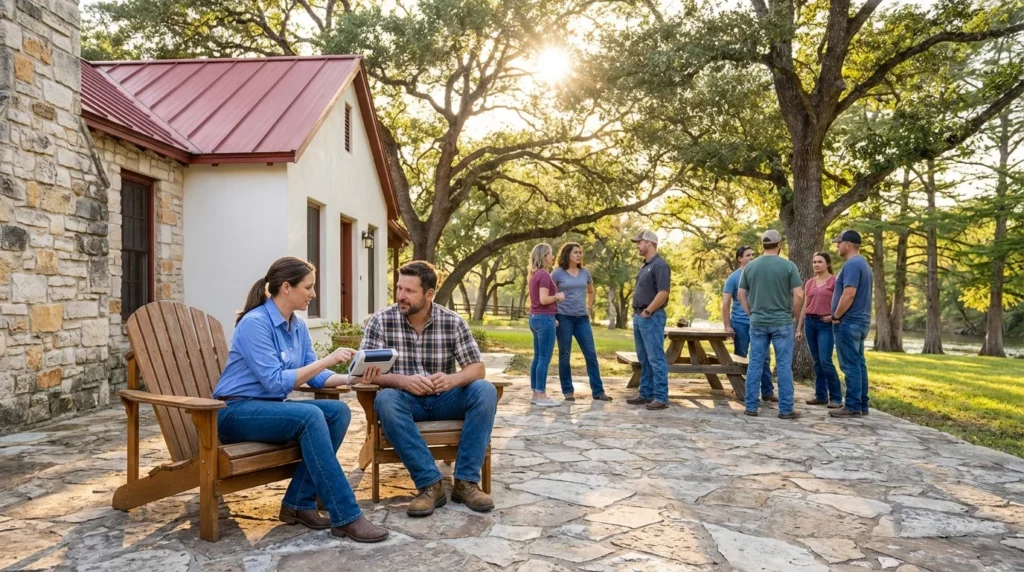
Women with armed forces ties. Service members and partners manage privacy and occupation implications. Some active-duty participants fret about command notice. Programs knowledgeable about TRICARE, non-medical counseling options, and the Family Advocacy Program can chart a course that maintains treatment personal privacy within governing limits.
Latina clients and Spanish-speaking families. Language access is apparent. Less noticeable are social values around family loyalty and personal privacy. Involving relied on member of the family with permission, or building partnerships with neighborhood leaders, can raise follow-through. Education regarding medicine therapies might need to attend to misconceptions head-on, with clearness concerning safety and goals.
Women with eating disorders or persistent pain. Disordered eating can resurface in early recuperation. A nourishment get in touch with and careful tracking of weight adjustments stop unseen areas. For persistent discomfort, non-opioid approaches, physical treatment, mindfulness-based strategies, and gradual activity strategies help. Collaboration with a pain specialist decreases the risk of opioid re-exposure or unmanaged suffering.
How San Antonio programs weave assistance outside the clinic
Transportation. By means of bus paths do not always track with clinic areas. Bus passes, gas cards, and ride-share coupons stretch presence. Some programs run limited shuttle bus from community hubs on the South and East Sides.
Childcare. On-site childcare clears one of the most stubborn obstacle. When that is not readily available, coupons for qualified facilities near home can link the gap. Programs ought to make plans explicit concerning nursing, diaper adjustments during team breaks, and taking care of an ill youngster call mid-session.
Housing. Recuperation housing varies commonly in quality. Personnel that have actually gone through homes, met home supervisors, and chatted with current locals can steer customers far from unsafe placements. For ladies leaving violent partners, real estate options should be very discreet and coordinated with advocates.
Employment support. Return to aid, connections to employers available to second-chance hiring, and guidance on scheduling around treatment support income. Transport and uniform vouchers matter more than people admit.
Legal and advantages navigation. Court schedules, CPS instance strategies, Medicaid revivals, WIC, SNAP, and youngster assistance orders all complete for attention. A solitary factor of contact at the program who tracks deadlines can conserve a case.
Outcomes that matter
Programs often promote conclusion prices. Beneficial, however insufficient. Purposeful results for females consist of lowered overdose risk, improved mood and sleep, much safer real estate, consistent prenatal treatment when pregnant, reunification or supported wardship, stable employment or training enrollment, and trustworthy presence at pediatric check outs. Self-reported quality of life and safety likewise matter. No solitary metric captures progression after years of making it through, not thriving.
From a professional lens, you desire decreases in emergency situation division utilization, adherence to MAT when suggested, fewer favorable toxicology screens gradually, and enhanced ratings on validated injury and clinical depression measures. From a human lens, you celebrate the first month of rent paid promptly, the first dinner prepared with a kid after college, and the first night somebody rests https://kameronfpbj382.sagecurrent.com/posts/san-antonio-addiction-treatment-returning-to-institution-or-work-post-treatment through until morning.
Paying for treatment without shedding momentum
Funding is a braid, not a rope. Medicaid covers a huge slice of outpatient addiction treatment in Texas, consisting of medicine for opioid use condition. Some nonprofit facilities obtain state funds to cover without insurance clients on a moving scale. TRICARE covers several services for eligible families, though prior consent can be a hurdle. Employer plans differ, and deductibles can be discouraging until benefits personnel discuss single-case arrangements or locate copay assistance.
Grants targeted to expectant and postpartum ladies can reduce wait times and include services like home seeing or lactation consults. When financing is limited, programs often pile services: a brief property stay paid by state funds, after that a change to intensive outpatient billed to Medicaid, and ultimately long-term therapy supported by a grant. The goal is continuity without financial whiplash.
Practical trade-offs and hard calls
Medication choices can spark argument. Some females feel intense pressure from family to avoid buprenorphine or methadone, also when those drugs cut overdose threat considerably. Excellent clinicians set out evidence, discuss negative effects truthfully, and respect freedom. They also explain that stopping medicine is a clinical choice, not an ethical one.
Residential versus outpatient is another recurrent predicament. A mommy with two children and a dependable grandmother might do well in a robust extensive outpatient program that maintains her secured at home. One more lady in a risky connection or a home where meth is sold from the cooking area counter may require domestic to construct a safe base. The right response modifications case by case.
Disclosure to employers and schools calls for judgment. The Household and Medical Leave Act can secure pause for treatment in some jobs, yet not all. University student usually handle incompletes and appeals. Programs that draft customized letters, not one-size-fits-all layouts, protect customers from unplanned consequences.
A short list for selecting a women-focused program in San Antonio
- Trauma training is developed right into personnel onboarding and rejuvenated yearly, not provided once.
- Medication for addiction treatment is readily available on website or using close collaboration, with perinatal knowledge when relevant.
- Childcare or child care coupons are supplied, and session times regard college and job hours.
- Case monitoring is robust and regional, with partnerships at Bexar Area courts, shelters, and recovery housing.
- Spanish-language services and culturally informed treatment are visible, not simply promised.
Getting started when you feel overwhelmed
- Call two programs the very same day and request for consumption schedule, then take the earliest slot and maintain the second as a backup.
- Arrange transportation and child care for the first week just, not the whole month, to lower the planning burden.
- Bring a basic checklist to intake: medications, allergies, vital medical history, any upcoming court or CPS dates, and emergency contacts.
- Ask directly regarding safety and security preparation if you have concerns in your home, and request a private minute if needed.
- Accept bridge prescriptions or acting visits rather than waiting for a perfect routine, due to the fact that energy issues more than optimal timing.
A brief tale that shows what works
A customer in her late twenties came in after an overdose scare. She used opioids, consumed greatly, and brought a background of attack she had never named. She worked nights, relied on her sis for childcare, and had a violation situation pending. The center readjusted buprenorphine dosing to match her shift job and aligned an extensive outpatient track with two late-afternoon days. A peer support expert satisfied her at the bus quit the first week. A counselor used EMDR for injury once stabilization began and aided compose a letter to the court discussing therapy engagement. 2 months later she had her initial fully sober week in years. Three months in, she relocated right into recuperation real estate closer to function and changed to once-weekly treatment. The modifications were not remarkable theoretically, yet the day she rested awaiting group while texting a photo of a college job to her youngster was the day it really felt real.
Where addiction treatment in Texas plan meets everyday life
Policy manufacturers discuss ideal methods. On the ground, success has to do with positioning. Texas has actually increased assistance for medication treatments and recovery assistance services over the last few years with state and government collaborations. When those resources get to San Antonio facilities that comprehend women's lives, outcomes relocate. Cooperation with medical care keeps blood pressure, diabetes, and thyroid issues in check. Data-sharing agreements, handled with permission and protection, make coordination with OB techniques and pediatricians smoother. Regional universities add trainees who bring energy to team assistance and find out why checklists have to flex under actual pressure.
The job is consistent, not showy. Overdose danger does not vanish. Causing anniversaries return each year. But with the best scaffolding, women reconstruct. They leave dangerous connections, surface accreditations, renegotiate custodianship plans, and demand treatment that fits them, not the various other method around.
Final ideas for households and professionals
If you are a family member, your function is not to take care of the person you enjoy. It is to assist maintain the logistics that make therapy feasible and to learn your own limits. Drive someone to the first consultation, yes, however do not take over their schedule. Ask the program exactly how you can sustain healing without ending up being the enforcer.
If you are a clinician or case supervisor new to addiction treatment in San Antonio, make good friends quicker than you make policies. Know which sanctuaries address the phone at 2 a.m., which judges value thorough letters, which recovery homes are risk-free, and which bus routes are trustworthy. Keep a running sheet of Spanish-speaking service providers. Build a loophole with OB associates so a favorable pregnancy examination activates a coordinated plan, not panic.
And if you are a woman considering making that first telephone call, consider this: modification does not require excellent nerve. It calls for a following right step. Women-focused programs in San Antonio are built to catch that action and hold it stable while you discover the next. Whether you start with detoxification, an evening group, or a peaceful conversation concerning drug options, there is a path that appreciates who you are and what you carry.
Addiction treatment functions best when it matches the individual before us. In this city, with its mix of armed forces grit, family satisfaction, and persistent kindness, women-focused treatment has room to do precisely that. When we pair clinical evidence with practical assistance and cultural fluency, we do greater than minimize signs. We return time, safety and security, and choice to ladies that have actually gone also long without them. That is the factor of addiction treatment in San Antonio. It is also the pledge of Addiction treatment texas at its ideal, scaled from policy right into day-to-day lives.